Small Changes, Big Pawprints: Your Pet’s Diet May Have a Bigger Environmental Impact Than You Think
And What We Can Do About It

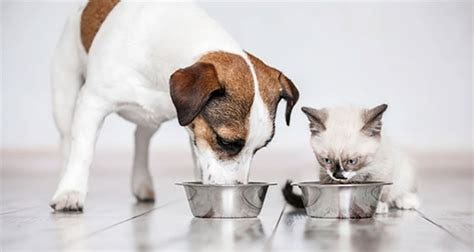
Many of us have started eating less meat to shrink our environmental footprint. But what about our pets? What do we actually know about the environmental impacts of pet food, and how can we reduce that “pawprint” while still protecting the health and well-being of our furry friends?
Why Pet Food’s Environmental Impact Deserves More Attention
Thanks for reading Positive Pawprint: Pet Care for a Healthier Planet! Subscribe for free to receive new posts and support my work.
Pet food accounts for about 90% of a pet’s total greenhouse gas emissions.
And with 66% of U.S. households expected to have at least one pet in 2025, that’s around 90 million dogs and 74 million cats.
The environmental impact is huge. Consider this:
Dogs and cats are responsible for 25–30% of the environmental footprint of U.S. meat consumption.
Feeding pets uses 49 million hectares of land – that’s twice the size of the UK.
Pet food production emits 106 million tonnes of CO₂e per year – equivalent to the emissions of 13.6 million cars.
The climate crisis is worsening. And while none of us can fix it alone, small, informed choices really can add up.
In choosing what to feed your pet, let me be clear: there is no single “best” diet for all pets. Good nutrition is a cornerstone of preventive care, health, and quality of life. While the ecological impact of pet food is significant, it’s only one factor to consider. Palatability, digestibility, your own food ethics, life stage, and medical needs matter too.
This isn’t about judgment or guilt. It’s about being informed so we can make the best decisions for our individual animals.
That said, different diets can have vastly different environmental impacts.
Let’s dig in.
Raw and Homemade Diets = Higher Footprint
Raw and home-prepped diets, especially those made from human-grade meats, have a much bigger environmental impact than many people realize.
A raw diet produces up to eight times the GHG emissions of a comparable kibble.
A medium-sized dog (20 kg) on a meat-heavy raw or homemade diet might eat 1.75 kg of meat per week – the same as two adult humans. A cat on a raw or homemade diet is smaller but has a higher protein requirement and eats, on average, the same amount of meat per day as an adult human.
Wet (canned) food also emits four times more GHGs per calorie than kibble, due to water content, packaging, and heavier transport loads.

Not All Kibble Is Created Equal
Dry food (kibble) tends to have the lowest carbon footprint, but its impact varies widely based on the protein source.
Here’s a rough hierarchy:
Beef > Poultry > Fish > Plants
Beef produces 7 times the emissions of poultry.
Poultry emits 8 times more than farmed fish.
Fish has 3 times the footprint of soy-based proteins.
The source of the meat also matters. In Europe, most pet food is made from by-products – parts of animals people don’t eat – which reduces waste and environmental impact. In the U.S., however, around 30% of pet food dollars go toward human-grade meat products, driven more by consumer perception than nutritional advantage.
The difference between by-products and human-grade meats has more to do with aesthetics than nutrition. If your pet isn’t extremely fussy, there’s usually no need to seek out prime cuts.
What About Insects and Fish Meal?
Alternative proteins sound promising, and they are, but they’re not perfect.
Fish meal can contribute to overfishing and harm marine ecosystems.
Insect protein shows real promise, but current farming methods (which often require lots of energy for heating and cooling, as well as resources for growing the crops they eat – and it remains illegal to feed production animals waste products) still result in higher emissions per calorie than traditional by-products.
Innovation is happening fast in this area, so it’s worth paying attention to. But many of these products are currently less environmentally friendly than their marketing would suggest.
Are Vegan Diets a Good Option?
It’s a new and still controversial topic, but here are a few key points:
There are now commercially available vegan dog foods that are nutritionally complete and reviewed by vets.
However, data on long-term health effects is still very limited.
Would I, as a veterinarian, recommend vegan diets for dogs? Not yet.
Would I personally feed a carefully chosen vegan diet to my own dog? Absolutely.
Cats, however, are obligate carnivores. A vegan diet likely isn’t biologically appropriate for them, and I feel far more sceptical.
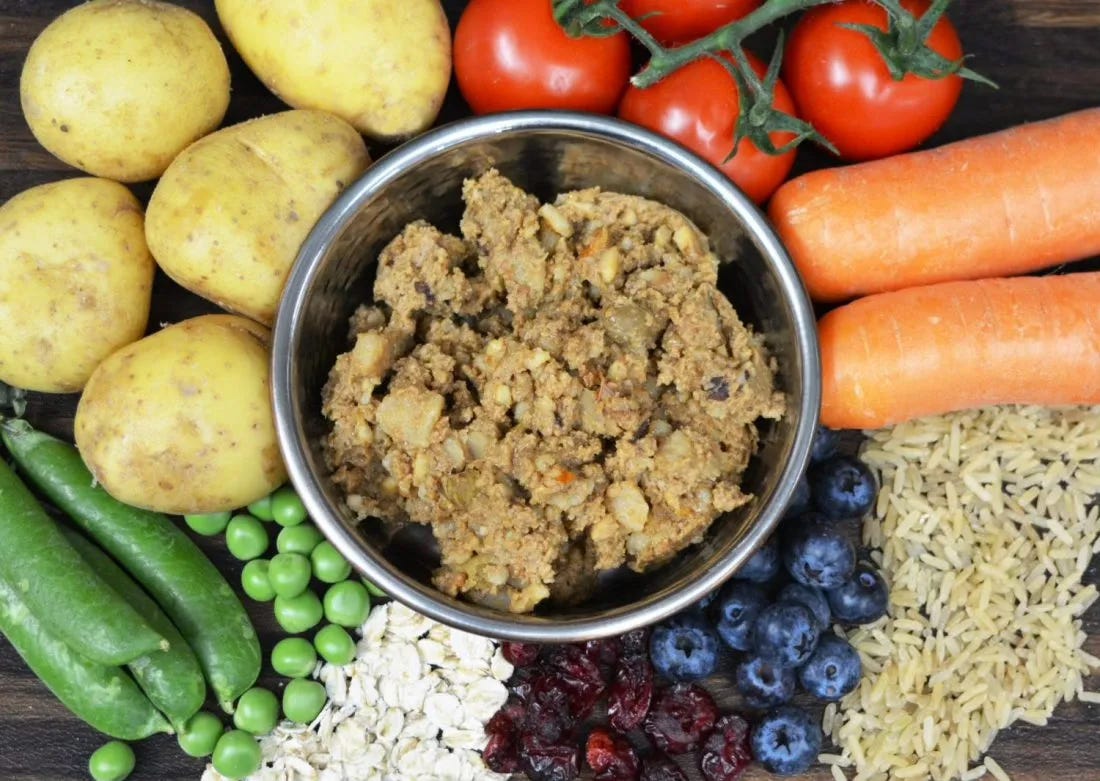
Does Organic Matter?
When it comes to your pet’s health, there’s no clear evidence that organic ingredients are better.
But from a planetary perspective, organic agriculture can significantly reduce harm. It emits fewer GHGs, protects soil health, and helps avoid:
Synthetic pesticides that devastate pollinators and songbirds.
Antibiotic overuse that contributes to antimicrobial resistance.
So while organic ingredients might not be essential, they’re definitely something to consider; especially for the environment.
And the Packaging?
Packaging contributes to about 8% of a bag of kibble’s total emissions. But it plays a crucial role in preventing food waste.
Bulk bins may seem greener but can lead to spoilage.
Recyclable monoplastics are gaining traction, though not all are accepted in local recycling systems.
Some eco-packaging has caused kibble to oxidize and spoil faster, ironically increasing waste and emissions.
At this stage in the game, what your pet is eating, is still more important than how it is packaged.
Other Things You Can Do (That Make a Difference)
Avoid overfeeding. Extra calories mean extra emissions. There is a trend toward protein levels that are higher than what most pets need.
Feed according to life stage and health status. Better health reduces your pet’s lifetime environmental impact by minimizing the need for medical interventions, which also have a high environmental cost.
Talk to others in your pet community and help spread the word.

One Pawprint at a Time
This isn’t about guilt. It’s about awareness. Our pets rely on us to make good choices for their health.
You can start small. Choose a lower-impact protein. Avoid waste. Keep paying attention as we learn more.
Do it for the furries. Because they trust us to care for them and it’s their planet too.
Great article, taking care of the carnivores in our lives and balancing planetary health doesn't have to come at the expense of diet quality, but it does require us to rethink our relationship with meat (as humans) and how we raise animals for food.
The discussion about environmental impact of homemade dog food versus kibble was fascinating. I hadn’t heard that before.